Technology
Loop Engineering: The End of Prompting
How the shift from writing prompts to designing systems is redefining how we work with AI coding agents
Designing, building, and running unattended AI coding loops: the building blocks, patterns, model tiering, and hard realities of loops that work while you sleep.
Hooks are the enforcement layer inside these loops. Start with the Cursor hooks.json guide or the Claude Code hooks guide for the guardrails, then come back for the loop architecture.
Loop engineering entered the AI vocabulary in late 2025 and dominated developer discussion through mid 2026. Graph engineering arrived roughly six weeks after that, in July 2026, and it is the newest and least settled of the labels.
The practical difference is where control flow lives. A loop repeats one agent over a cycle it owns, and keeps its memory between passes in external state such as a queue, a report file, or CI. A graph declares the topology instead: which steps or agents run, in what order, and how work hands off between them, usually as an explicit directed graph or state machine. Treat graphs as a layer above loops rather than a replacement for them, and stay on a single loop until the cycle itself is the bottleneck before reaching for explicit topology and multiple agents. This series covers the loop layer end to end.
Most people searching for this are looking for the working style the Claude Code team describes. Boris Cherny, who leads Claude Code at Anthropic, put it as not prompting Claude anymore, but having loops running that prompt Claude while he writes the loops. That framing is the starting point for the whole series, which is written around a real repo with a real issue queue rather than a toy example.
Start with The End of Prompting for the shift itself, then The Five Building Blocks + Memory for the parts every loop needs.
How the shift from writing prompts to designing systems is redefining how we work with AI coding agents
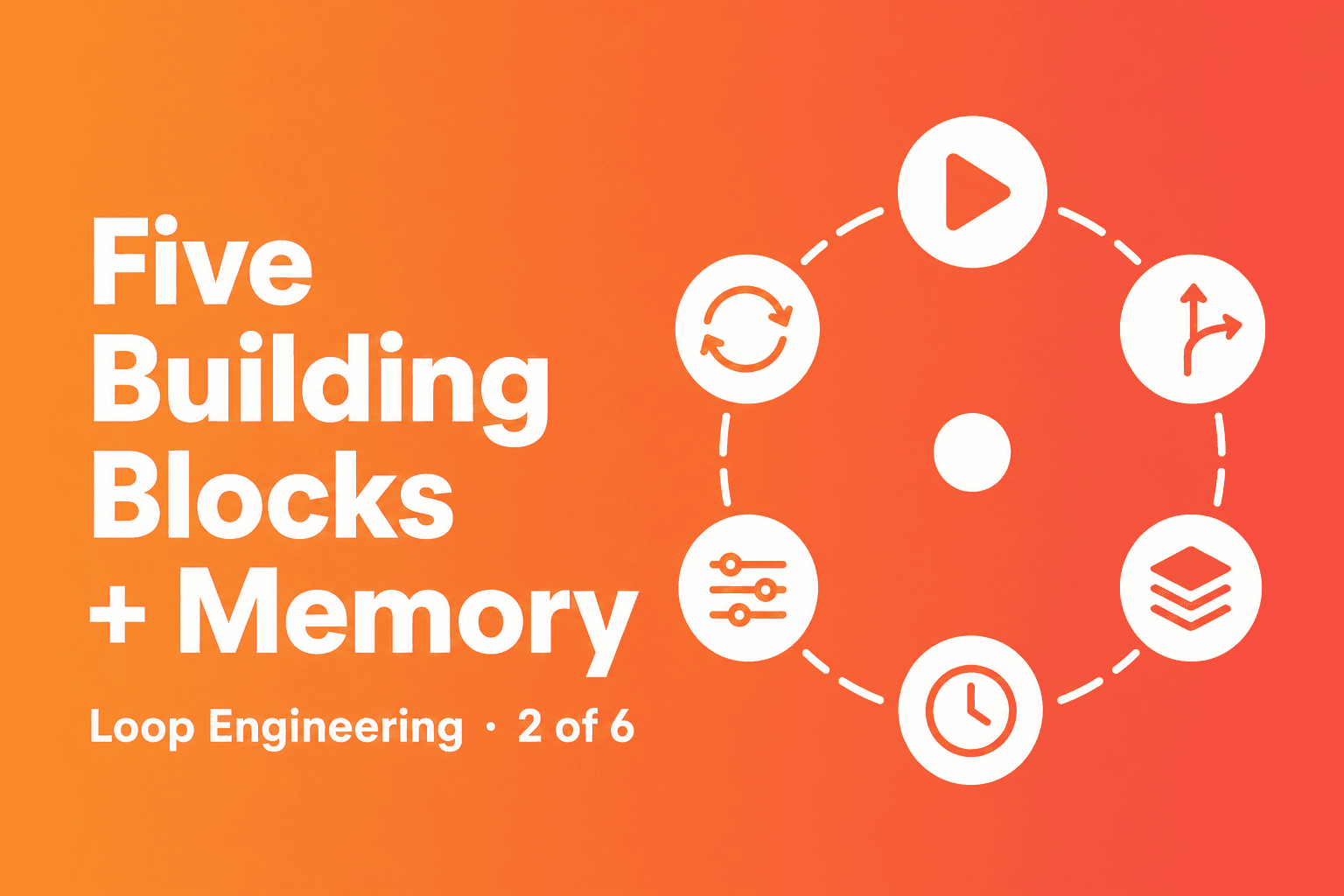
A deep dive into the six primitives that every unattended AI coding loop needs to function
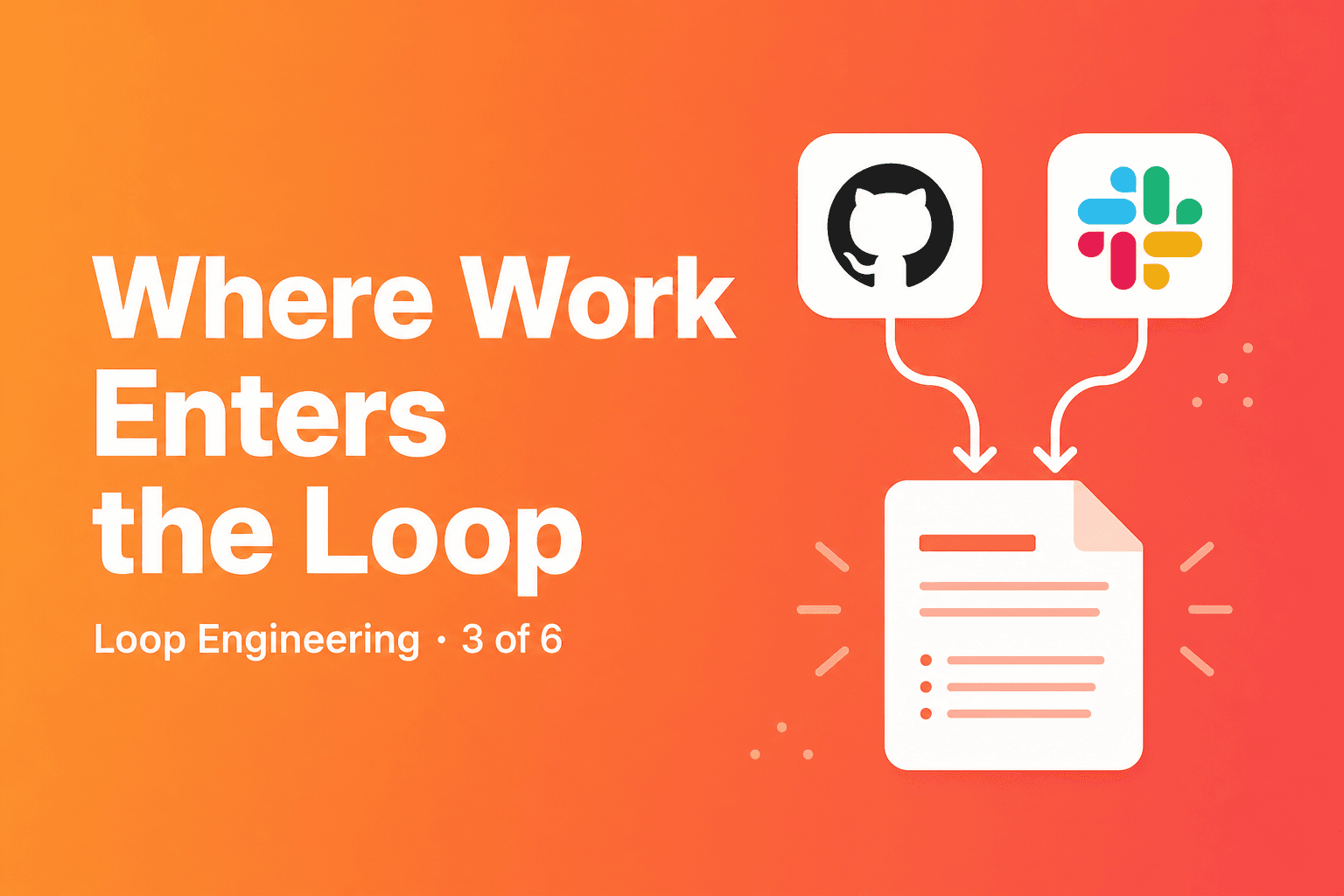
How GitHub Issues, CI, Slack, and Linear become loop input: the intake pipeline nobody explains
A step-by-step walkthrough of scaffolding and running Daily Triage L1 on Souso (smart-cart): report-only, zero risk
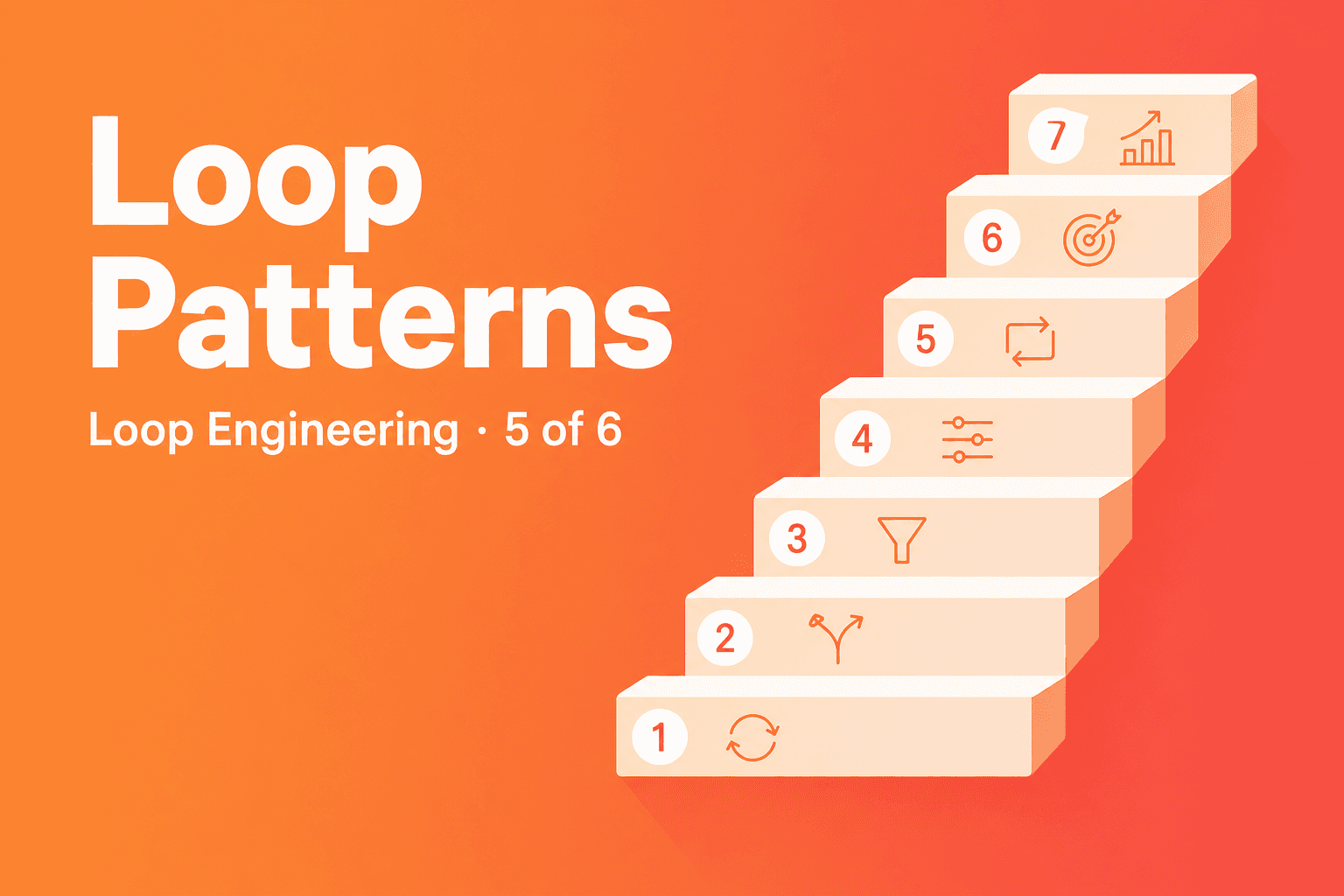
Seven production loop patterns with concrete Souso (smart-cart) scenarios, cadences, and risk levels
Failure modes, token economics, and Souso-specific guardrails: what nobody tells you about unattended AI coding loops

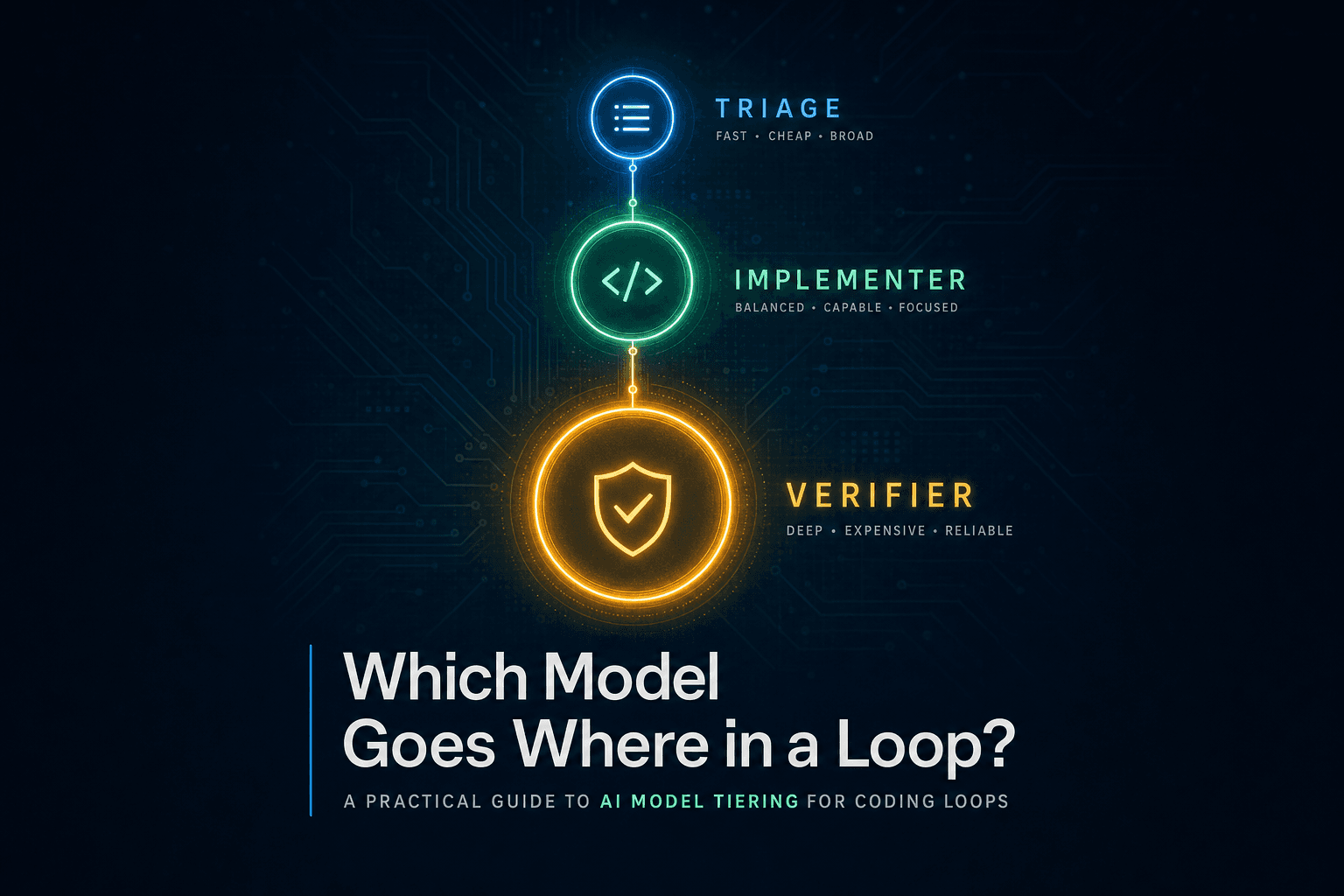
Running every loop role on a frontier model is expensive and unnecessary. Here's what the research says about tiering models per role, and what's still missing.